

"Disclosure: As an Amazon Associate, I earn from qualifying purchases at no cost to you. My goal is to provide helpful and valuable content, and any commissions help me maintain this site and continue creating high-quality content for my readers.
I have traveled internationally many times: solo, with my husband, and with my children, including during their newborn and infant phases. I have gained valuable insights along the way.
Trip Planning
One of the most critical aspects of a successful international journey is meticulous trip planning. The first step involves choosing your destinations wisely. Research potential locations that align with your interests, budget, and the kind of experiences you wish to gather. Consider the season and cultural events that may influence your visit.
Visa Requirement
Understanding visa requirements is also paramount. Different countries have varying regulations regarding entry, and it is crucial to gather information well in advance to avoid last-minute complications. Ensure that your passport is valid for at least six months beyond your planned departure date, as this is a common requirement.
Travel insurance should not be overlooked. While planning your trip, it is advisable to purchase insurance that covers potential risks, including trip cancellations and medical emergencies abroad. This financial safety net can provide peace of mind and allow you to fully enjoy your travels without undue stress.
Budget Planning
Budgeting for an international trip often involves multiple components, including accommodation, transportation, and daily expenses. Begin by creating a rough estimate of expenses, including flight tickets, lodging (hotels, hostels, or short-term rentals), local transit (buses, subways, or taxis), and activities. Utilize travel budgeting tools and spreadsheets to get a clearer picture of your financial needs.
Incorporating travel apps and websites into your planning can greatly enhance your trip organization. Platforms that facilitate itinerary planning help you track where you’ll be each day, and guide you in finding the best local attractions, dining options, and even tips for off-the-beaten-path experiences. By using these resources, you can streamline your travel logistics, ensuring a much smoother experience while exploring the globe.
Pack Light and Smart
Packing smart is integral to enhancing your international travel experience. Selecting versatile clothing that can be layered and worn in multiple configurations is a wise approach. Such clothing items allow for effective adaptation to different climates and occasions, ultimately reducing the number of items you need to pack.





In addition to clothing, investing in top-quality luggage is crucial for efficient travel. Hard-shell suitcases offer excellent protection for your belongings, while carry-on backpacks provide additional space and ease of movement. Carry-on bags are particularly advantageous as they can be stored in overhead compartments, thus saving you the hassle of waiting for checked baggage upon arrival.


Carry-on luggage that can be worn as a backpack is ideal for camping, making travel more portable and efficient.



Another category of essential travel products includes various accessories that can make your journey easier. A good travel pillow is invaluable for comfort on long flights, helping you sleep better and reducing fatigue.




Furthermore, universal adaptors are essential for ensuring that all your electronic devices remain charged, regardless of your destination. Toiletries should also be thoughtfully packaged; utilizing travel-sized containers can maximize space and comply with airline regulations.
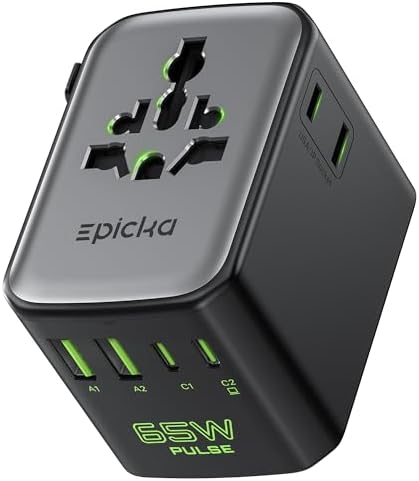



To maximize packing efficiency, consider employing packing cubes. These organizational tools let you categorize items by type, making it easier to find what you need without rummaging through your entire suitcase. Additionally, rolling clothes rather than folding them can save space and reduce wrinkles, ensuring you arrive at your destination looking sharp.
By using the right products and thoughtful packing strategies, you can significantly improve your overall travel experience, making your journey more enjoyable and streamlined.
Navigating Transportation: Making Travel Easier
When traveling internationally, transportation can pose both challenges and opportunities for efficiency. One of the key aspects of a seamless travel experience begins with pre-booking flights, which helps to mitigate the stress of last-minute arrangements. When selecting flights, considering layovers can also greatly influence not only the duration of your trip but also the overall cost. For instance, longer layovers might offer lower airfare, but they can also significantly extend your travel time. From my personal experience, a 3-hour layover works the best to avoid rushing through the airport.
Upon reaching your destination, navigating public transport is essential for accessing local attractions while keeping expenses low. Familiarizing yourself with available public transportation options, such as buses, subways, and trams, can enhance your travel experience. Many cities provide transit apps that offer real-time schedules and route guidance, which is invaluable for first-time visitors.
Rideshare apps such as Uber or Lyft can offer convenience and efficiency when public transport does not fit your needs. These services are often more reliable than local taxis and offer upfront pricing, ensuring transparency. In some cities, car rental may also be practical, especially if you anticipate traveling outside urban areas or need flexibility with your itinerary. Always check rental terms and conditions thoroughly, noting any additional fees that may apply.
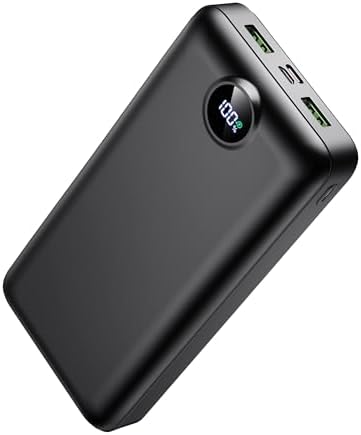
To stay connected during your travels, investing in portable chargers and mobile Wi-Fi devices becomes vital. A portable charger keeps your smartphone powered throughout the day, so you can navigate effectively with maps and transport apps. Mobile Wi-Fi devices, on the other hand, provide constant internet access without incurring hefty roaming fees, allowing seamless communication and information access during your trip.




Staying Safe and Connected Abroad
Traveling internationally can be an exciting experience, but it also presents potential challenges regarding safety and communication. It is essential for travelers to prioritize keeping important documents secure while navigating foreign environments. Storing copies of essential documents, such as passports and visas, in a secure location can prevent significant stress if items are lost or stolen. Furthermore, familiarizing oneself with local laws and customs not only aids in a smoother trip but also helps travelers avoid any unintentional breaches that could lead to legal complications.
Emergency contacts are another crucial aspect of travel preparedness. Having a list of local emergency services and contacts back home readily available on one’s mobile device can serve as a lifeline in distressing situations. Technology can greatly enhance safety; for instance, using Virtual Private Networks (VPNs) ensures secure internet access when connecting to public Wi-Fi networks. This protects personal information from potential cyber threats, granting travelers peace of mind while they browse.
In addition to safety tools, maintaining communication during international travel is fundamental. Opting for international SIM cards or eSIM options allows travelers to stay connected without incurring exorbitant roaming charges. These products provide travelers with local numbers and data plans tailored to their destination so they can easily reach family, friends, or emergency services when needed. Additionally, using personal safety apps can further enhance security by offering features such as location tracking and emergency alerts.
Safe Travels.
Any questions? Reach out to me by clicking the contact button at the top of the page.