"Disclosure: As an Amazon Associate, I earn from qualifying purchases at no cost to you. My goal is to provide helpful and valuable content, and any commissions help me maintain this site and continue creating high-quality content for my readers.

Preparing for Arrival: The Must-Have Gear
As you prepare for the arrival of your newborn, selecting essential items becomes a priority. Among the must-have gear, cribs are paramount for ensuring a safe and comfortable sleeping environment. When choosing a crib, consider options that meet current safety regulations, have adjustable mattress heights, and a design that complements your nursery. The crib mattress is equally important; select a firm, well-fitting mattress to provide adequate support for your baby.
a portable bassinet adds safety, flexibility, and peace of mind during those early months when life already feels a bit chaotic.






Stroller options are another key consideration for new parents. Look for strollers that offer safety features such as a five-point harness, along with convenience features such as lightweight designs and easy folding mechanisms. A versatile travel system that integrates a car seat can simplify outings and ensure your baby’s safety during transitions from car to stroller.


A high-quality diaper bag is essential as well, serving as your mobile command center for all things baby-related. When selecting a diaper bag, prioritize ample storage space, durability, and organizational compartments to keep easily accessible items for both baby and mom. A well-designed diaper bag should also be comfortable to carry, whether on your shoulder or as a backpack. I have used these bags for all my three children and used them while travelling long haul flight.


Additionally, consider baby-proofing supplies in your preparations. These items range from outlet covers to cabinet locks and corner guards, ensuring a safe environment for your exploring infant. Evaluate your living space and prioritize areas that might require immediate baby-proofing, allowing both you and your baby peace of mind.


In conclusion, by carefully selecting these essential items—cribs, strollers, diaper bags, and baby-proofing supplies—you can create a nurturing space that prioritizes safety, comfort, and practicality. The right gear not only supports your baby’s needs but also eases the transition into motherhood, empowering new moms to navigate this exciting journey with confidence.
Caring for Your Newborn: Essential Tips and Tricks
Caring for your newborn can feel overwhelming, especially for first-time mothers. However, understanding some essential practices can ease this transition and build your confidence in newborn care.
One of the first skills every new mom should master is swaddling. Swaddling involves wrapping your baby snugly in a blanket to mimic the womb’s environment. This technique can provide comfort and security, reducing startling reflexes that might wake them. To swaddle effectively, lay the blanket flat in a diamond shape, fold the top corner down, place your baby’s head just above the fold, and wrap the sides around their body, making sure to leave enough room for their legs to move easily and preventing any hip dysplasia.



Bathing a newborn can be intimidating. It is recommended to give sponge baths until your baby’s umbilical cord stump falls off, usually within the first few weeks. Use a soft washcloth and lukewarm water, gently cleaning your baby’s face, neck, and limbs. As your baby grows more comfortable with bathing, consider transitioning to a baby tub, ensuring that the water level is safe and warm.
Feeding schedules are another crucial aspect of caring for your newborn. Most newborns need to feed every 2 to 3 hours, whether breastfed or formula-fed. Pay attention to your baby’s hunger cues, such as rooting or sucking on their hands, to determine when they require feeding. Associating feeding times with a consistent routine can help both you and your baby adapt more effectively to this new rhythm.
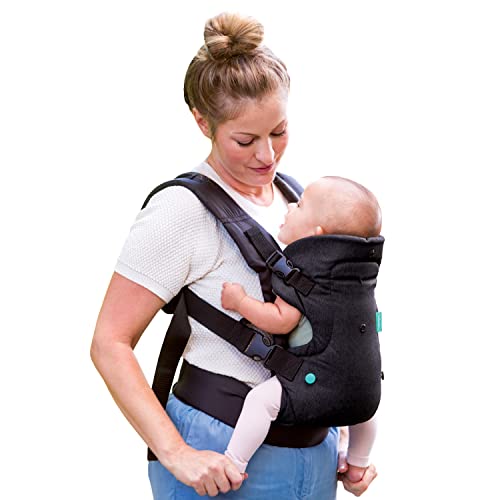
Here are ergonomic, wearable baby carriers that keep your little one close and secure—supporting precious bonding time while leaving your hands free to get things done.



Lastly, understanding sleep patterns is vital as newborns sleep approximately 16 to 17 hours a day, although often in shorter bursts. This unpredictable sleep schedule can be taxing for new parents, but being educated about your baby’s natural sleep cycles can help you find ways to allow for rest when needed.
Building Your Support System: Finding Your Village
As a new mom, building a strong support system is essential for navigating the challenges of the newborn phase. Establishing connections with others who understand the demands of motherhood can provide significant emotional support and practical assistance. Seeking out local parenting groups, either through community centers or hospitals, can be a wonderful first step. These groups not only offer a space for interaction but also foster friendships with other mothers who are experiencing similar challenges and joys.
In addition to in-person connections, online forums and social media groups dedicated to new parents can serve as a valuable resource. These platforms often allow for 24/7 access to advice, shared experiences, and even virtual friendships that can help lessen feelings of isolation that many new mothers face. Engaging in discussions about infant care, sleep challenges, and postpartum recovery can not only provide reassurance but also practical solutions to common issues.
Family support is another critical pillar of a new mom’s network. Don’t hesitate to reach out to relatives who can offer help, whether that means babysitting, meal preparation, or simply being a listening ear. Sharing the emotional burden of motherhood can lighten the load significantly. Furthermore, actively communicating your needs, whether it’s a break for self-care or help with chores, is crucial for mental well-being. Remember that seeking help is not a sign of weakness, but rather a practical step toward maintaining both your health and your ability to care for your newborn.
Ultimately, cultivating a robust support network can transform this challenging phase into a rewarding experience. Encouraging connections with other mothers, both in-person and online, is essential. Tapping into family resources and recognizing the need for assistance can dramatically improve your overall well-being as you adjust to motherhood.
Prioritizing Your Well-Being: Mental Health Strategies
Entering motherhood is an incredibly transformative experience, often accompanied by a multitude of emotions ranging from joy to anxiety. During the early weeks of caring for a newborn, it is crucial for new mothers to prioritize their mental health alongside their physical wellbeing. Acknowledging the emotional rollercoaster that accompanies this period can help in developing effective coping strategies.
One effective approach is to practice mindfulness. Engaging in mindfulness exercises, such as deep breathing or meditation, can assist in grounding oneself amid the chaos of caring for a newborn. Taking just a few minutes each day to be present can help reduce stress and create a sense of peace.
Establishing a routine can also be beneficial for mental health. The unpredictable patterns of a newborn can lead to heightened anxiety. However, creating a flexible daily schedule can provide structure and enhance a sense of control. Incorporating self-care activities, such as gentle exercise or relaxation time, into the routine is imperative, as it allows mothers to recharge physically and mentally.
Seeking professional help is another crucial strategy for managing mental health. Many new mothers experience feelings of sadness or anxiety that may require support from a mental health professional. Accessing resources such as counseling or support groups can provide a safe space to share experiences and learn from others navigating similar challenges. Remember, reaching out for help is a strength, not a weakness.
Finally, it’s essential to acknowledge that the transition to motherhood can be challenging. Embracing the ups and downs, and allowing oneself to feel the spectrum of emotions can foster resilience. Building a support network of friends, family, and professionals is invaluable in maintaining mental health during this life-changing phase.